
01 / 06 · Original scent study
Yves Saint Laurent
Y Eau de Parfum
Read review Original editorial image
Curated now
The Organic Parfums Six-Fragrance Edit
Six moods. One measured way to begin a fragrance conversation.
01 / 06 · Original scent study
Yves Saint Laurent

02 / 06 · Original scent study
Maison Francis Kurkdjian

03 / 06 · Original scent study
Valentino

04 / 06 · Original scent study
Yves Saint Laurent

05 / 06 · Original scent study
Creed

06 / 06 · Original scent study
Creed
Product and brand names are used for identification. Organic Parfums is not affiliated with or endorsed by the brands named.
October 9, 2026
Gourmand is not simply a synonym for sweet. Notice the edible idea, then ask what shape it takes in the air and in your day.
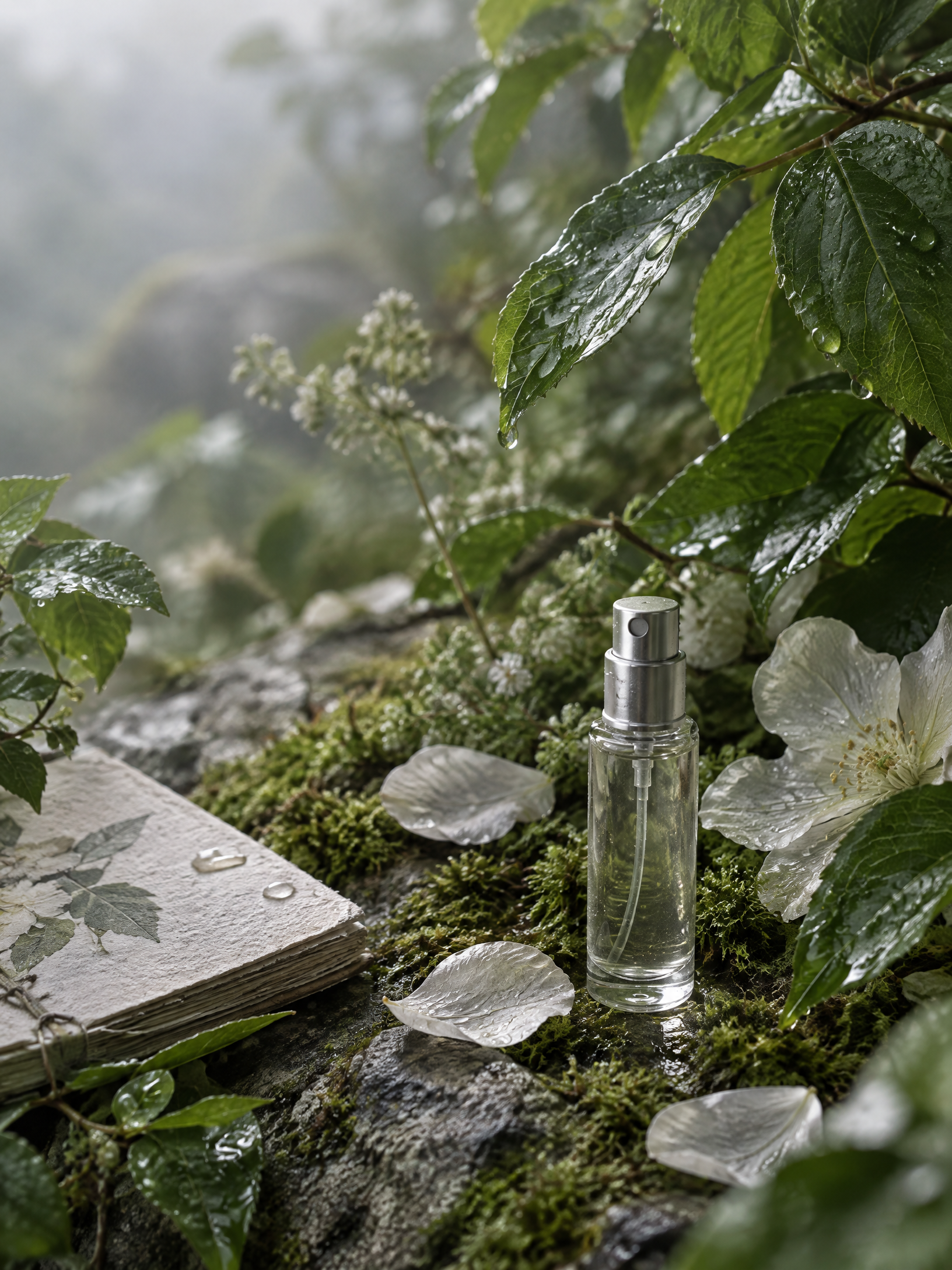
Gourmand is not simply a synonym for sweet. Notice the edible idea, then ask what shape it takes in the air and in your day.
At 7:42 on a cool morning, a paper scent strip rests beside a ceramic cup of tea. A notebook is open to a clean page. Under the first line—“vanilla?”—someone has written three more words: pale, toasted, dry. The fragrance was described as gourmand, so sugar was the expected answer. Yet the first impression is not frosting. It is closer to the memory of warm grain, a little milk, and the browned edge of pastry.
That gap between the label and the lived impression is where gourmand becomes interesting. In fragrance, a gourmand is an edible or food-associated idea: vanilla, chocolate, caramel, milk, coffee, fruit, spice, or confectionery. The category became recognizable as a modern fragrance family in the 1990s, when new aroma materials and perfume culture made “the edible” a distinct point of reference. [1] The Perfume Society similarly describes gourmand through references including caramel, chocolate, coffee, candy floss, almonds, vanilla, spices, and amber. [2]
Those lists are useful orientation, not a fixed recipe. A fragrance can suggest cocoa without containing cocoa, and the same vanilla can feel airy in one composition and dense in another. A more useful question than “How sweet is it?” may be: What kind of texture does the edible idea have in my imagination?
Texture is not a laboratory measurement, and it does not prove what a formula contains. It is a reader-facing vocabulary for describing how an accord feels as it unfolds. Think of these words as prompts rather than scores:
The point is not to decide which descriptor is correct. It is to find the word that helps you notice a change. A vanilla may begin sheer, turn creamy, and finish dry. A fruit accord may seem crisp at first, then become warmer and more pastry-like. Your record is allowed to say “none of these” or “different today.”
A note pyramid can offer clues about intended associations, but it cannot tell the whole story of a fragrance on every person. The perceived result depends on the complete accord, concentration, application, skin, surroundings, and individual interpretation. Treat the list as a map, not a promise.
To make a useful comparison, test one fragrance at a time when possible. Use a blotter or skin according to the maker’s directions. Avoid rubbing the test area so your method stays consistent. At the start, write three words, one edible association, and your own low-to-high description of sweetness. After roughly 15–30 minutes, note what texture remains, changes, or disappears. Check again later, without assuming that your timeline will match anyone else’s.
Field note: Ask three separate questions: What does it remind me of? What texture do I perceive? Where would I choose to wear it?
This is a personal observation tool, not a laboratory protocol. Sensory evaluation in cosmetic and fragrance development commonly considers attributes such as quality, intensity, and hedonic response—whether the experience is acceptable or liked. [5] A home note card can borrow that modest structure without pretending to reproduce a controlled panel.
| Check-in | What to record | |---|---| | First impression | Three words, one edible association, and perceived sweetness in your own terms | | After a short interval | Which texture remains, changes, or disappears? | | Later check | Does it feel drier, warmer, softer, darker, or simply different? | | Real-life fit | Where would you choose it, and would you want this density in a shared space? | | Information check | What does the current ingredient list disclose, and what remains unknown? |
A notebook and clean paper strips you already have are enough. The object is not the point; the record is.
The language around gourmand can quietly turn preference into judgment. “Less sweet” is not automatically more sophisticated, more botanical, more sustainable, or better suited to a person. A dry gourmand may be exactly right for one reader and uninteresting to another. Someone else may prefer a plush, creamy impression or no edible reference at all.
The practical decision is narrower and more useful: Which edible cues do you enjoy? How much density suits this setting? Are you willing to sample before committing? A fragrance that feels inviting at home may not be the texture you want in a shared room. That is not a verdict on the fragrance. It is information about fit.
Ingredient transparency deserves the same calm attention. IFRA describes its Standards as rules for fragrance ingredients based on scientific assessments, including prohibitions, restrictions, and specifications; it also places responsibility for the market use of a material with the supplying company. [3] The European Commission explains that perfume compositions and raw materials may generally appear as “parfum” or “aroma” on a cosmetic ingredient list, while certain fragrance allergens must be identified individually above specified thresholds. [4]
If you already know you are sensitized to particular fragrance allergens, use the current ingredient list and the maker’s product information as part of your decision. When the information is unclear, ask the maker before purchase. Do not infer “botanical” or “organic” status from a note name, and do not assume that a botanical origin answers every question about a particular product.
The next time a fragrance is called gourmand, resist the immediate sugar test. First name the association: vanilla, cocoa, toasted grain, fruit, tea, pastry, or something that is not edible at all. Then name the texture: airy, creamy, powdery, toasted, syrupy, dry, grainy, or your own word. Finally, place it in a real setting. Would you choose that impression for a quiet morning, an afternoon outdoors, a workday, an evening, or nowhere?
Notice too what changes when the room changes. A kitchen table, an open window, a coat sleeve, and a busy shared space can make the same scent feel differently situated. That is not a universal rule about the fragrance. It is a reason to test with curiosity and keep your language personal.
A gourmand does not need to become less edible to become more nuanced. It only needs to be observed more precisely. Before calling a fragrance sweet, try saying what kind of sweetness—or what kind of edible atmosphere—you actually mean. The texture you can live with is the one worth naming.
Amazon edit
For readers who want a starting point for browsing, this Amazon destination is separate from the editorial observations in this Field Note. Product selection, availability, and price are confirmed at Amazon.
Open the Amazon editThis is an affiliate link. See the affiliate disclosure.